Ghostfire Gaming Brings Vampire: The Masquerade To D&D Beyond In Historic Crossover
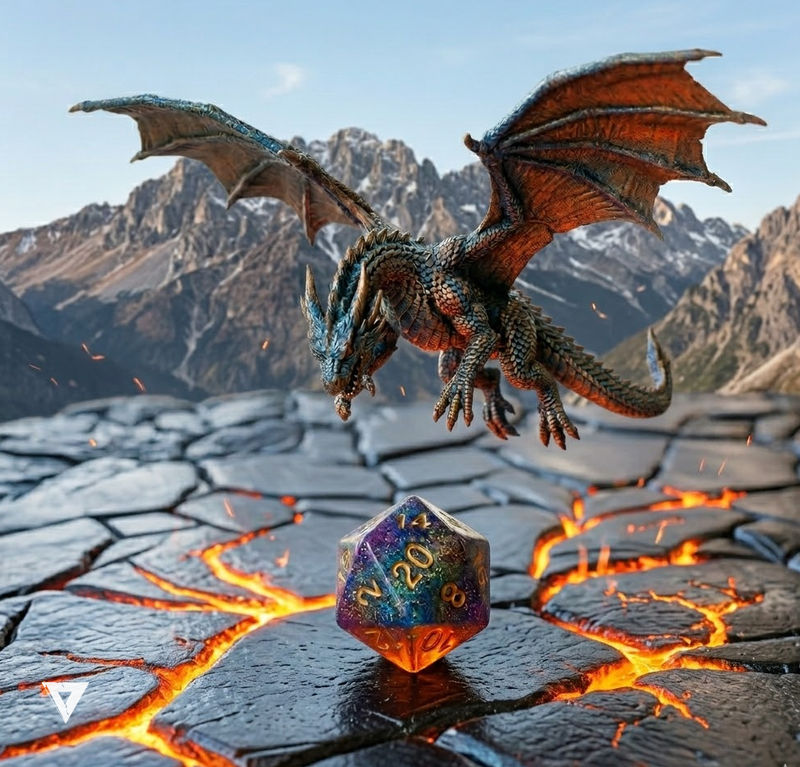
The Unexpected Crossover Landing on D&D Beyond
On July 2026, the world of tabletop gaming changes. Vampire: The Masquerade officially lands on D&D Beyond. This marks the first time Wizards of the Coast has allowed a major rival tabletop brand to sell a full, dedicated class directly on their digital platform. It is a massive move that unites two massive fanbases under one virtual roof.
Behind this wild project is Ghostfire Gaming, the creators of the dark fantasy setting Grim Hollow. They are bringing classic mechanics like Blood Points, Disciplines, and the Beast into the 5th Edition rules. By doing this, they replace the clunky homebrew rules players have used for years with a built-in system. You get a fully functional Kindred class that works right alongside your traditional wizards and fighters.
At the upcoming Gen Con 2026 in August, fans will get their first physical look at this crossover. Right now, the massive actual-play show Dimension 20 is running its very first campaign using the vampire rules, drawing thousands of new eyes to the franchise. Tabletop gaming is no longer a quiet hobby for the basement. This sudden spotlight highlights not just a cultural shift, but a major financial one.
The Corporate Handshake That Shocked Tabletop Gaming
Under the hood, this deal reveals a massive shift in how big gaming companies view competition. Hasbro previously kept D&D Beyond as a closed garden for its own books. Today, they are opening the doors to Paradox Interactive, the owner of the vampire franchise.
This is a clear admission that they need fresh, edgy content to keep players paying their monthly subscription fees, signaling that the high fantasy monopoly is cracking.
To make this unprecedented corporate partnership work, Hasbro had to rely on designers who already knew how to handle complex monster mechanics.
How Grim Hollow Solved the Monster Problem
In their previous hit books, Ghostfire Gaming built a brilliant progression system that let characters turn into monsters without breaking the game's balance. Traditional D&D rules usually make vampirism a curse that instantly ruins a character or makes them way too strong.
By using a smart system where power comes with severe social and physical costs, the designers proved you can play a monster safely.
It is a system where your biggest enemy is not the dragon, but your own reflection.
To help players ease into this delicate balance of power and consequence, the developers are bundling the new rules with a starter scenario.
A Dark Ages Adventure Pack Included Free
With the purchase of the Kindred class, players also receive a complete Dark Ages adventure module. This scenario drops players straight into a gothic European setting where survival requires political lies rather than just swinging swords. It serves as a perfect tutorial for players who do not know how to run a game based on personal horror.
You do not just fight monsters here; you negotiate with them over dinner.
While this adventure provides a solid testing ground, the broader ruleset still faces the fundamental challenge of mixing two vastly different styles of play.
Can Vampire Politics Survive Inside Dungeon Crawls?
But can a system built for fighting goblins actually handle deep, emotional vampire drama? In a standard D&D game, you solve problems by hitting them until they stop moving. In the World of Darkness, if you act like a mindless brute, you lose your mind to the Beast and the game ends. Some veteran players argue that cramming these two systems together is like putting a sports car engine inside a farm tractor.
It is loud, it is silly, and it might explode.
And that is exactly why it is so exciting to watch.
As players prepare to watch this chaotic experiment unfold, the implications of this partnership stretch far beyond a single character class.
Deep Questions For Gothic Roleplayers
This crossover opens up major questions about the future of the tabletop hobby. You can find clues and form your own opinions by researching the broader industry trends.
- How will the introduction of official horror mechanics change the PG-13 tone of mainstream D&D streams?
- Will this crossover pave the way for other major horror brands to launch official classes on D&D Beyond?
- What does this partnership tell us about Hasbro's current financial reliance on third-party creators?
To find the answers, check out these excellent resources:
- The history of indie gaming growth on Kotaku.
- Analysis of digital tabletop storefronts on Polygon.
- Design diaries on game balance at Game Developer.
Have thoughts on this article?
Send your feedback. Spotted a factual error or typo? Use this form to let us know. We use your feedback to improve our reporting. Thank you!
 NASA's Kevin Coggins Ditches Custom Builds For Commercial Satellite Rentals