Snapdragon Unveils Decentralized Future: On-Device Logic Revolutionizes Data Sovereignty
On-device logic.
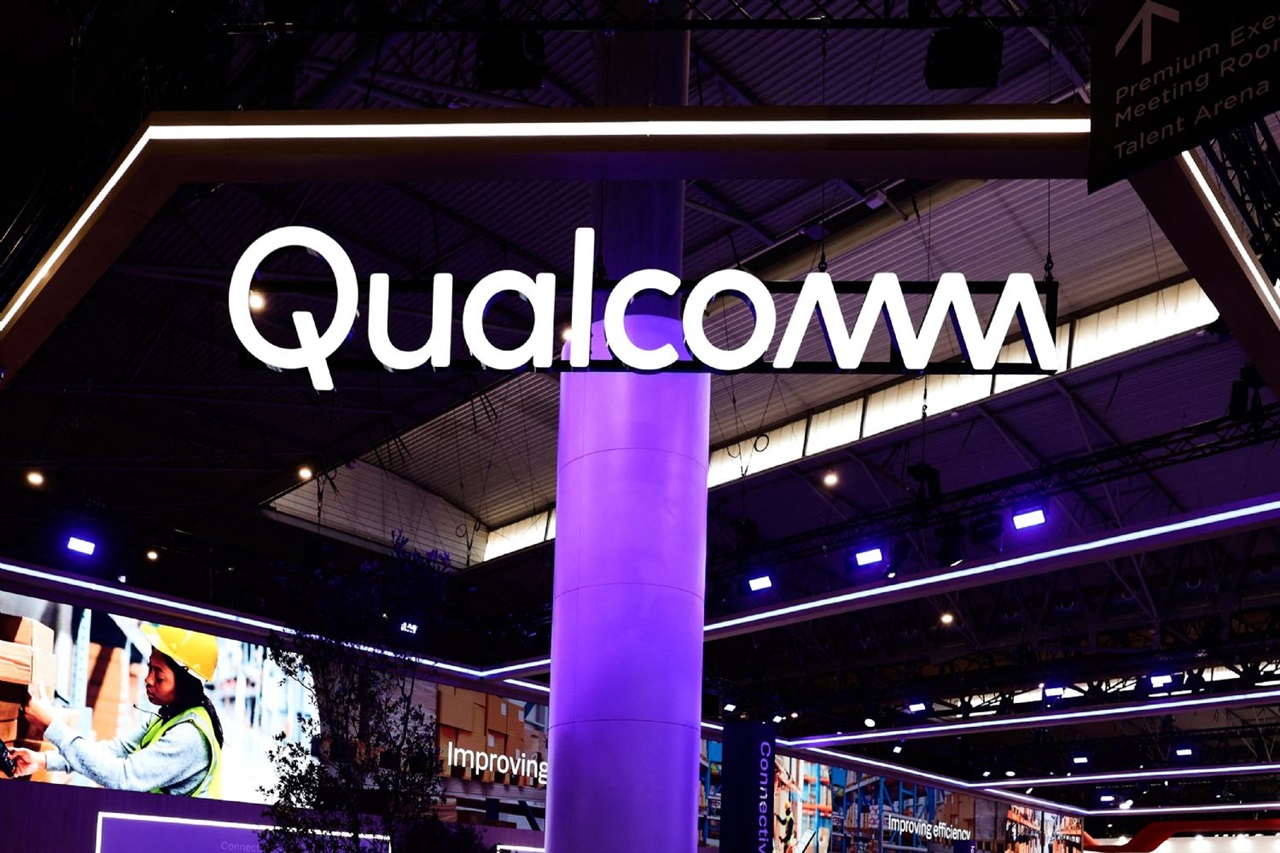
This hardware transition first appeared at the Mobile World Congress on Mar 03, 2026, when Qualcomm presented a Snapdragon processor that executes intelligence tasks without connectivity to servers for computation.
Silicon performs the thinking. Study the design. The system keeps data within the handset and engineers prioritize sovereignty over the network. Here’s what actually matters, developers in these centers are building walls against the internet to protect identity and control.
Barriers fall.
Hardware integrates tasks.
DIGITIMES reports that the silicon layer manages scheduling and transport and messaging without the use of applications. But here’s where it gets weird, the processor learns habits and software icons become relics. People act. Computers think. The device operates in isolation from the network.
The concentration of power in data centers is shifting toward the palm.
This decentralization changes the global economy of information because the handset handles the load and the cost of calculation drops. Memory interacts with processors. Latency vanishes. Private information remains with the owner. Look at the shift. Memory requirements increase the price of the handset and thermal management represents the focus for current engineering.
New Supplemental Material
- Sovereignty of information
- Isolation of logic
- Longevity of hardware
- Velocity of processing
- Privacy of user data
Statistics:
- Increased memory capacity requirements
- Higher thermal output during logic tasks
- Reduction in server requests
Additional Reads:
- The Economics of Edge Computing – Harvard Business Review
- Decentralization of Logic in Silicon Design – MIT Technology Review
- Case Study: Heat Dissipation in Mobile Enclosures – Qualcomm Engineering
 $142M Allocated To Metropolitan Opera Logistics Annually [Character Study]